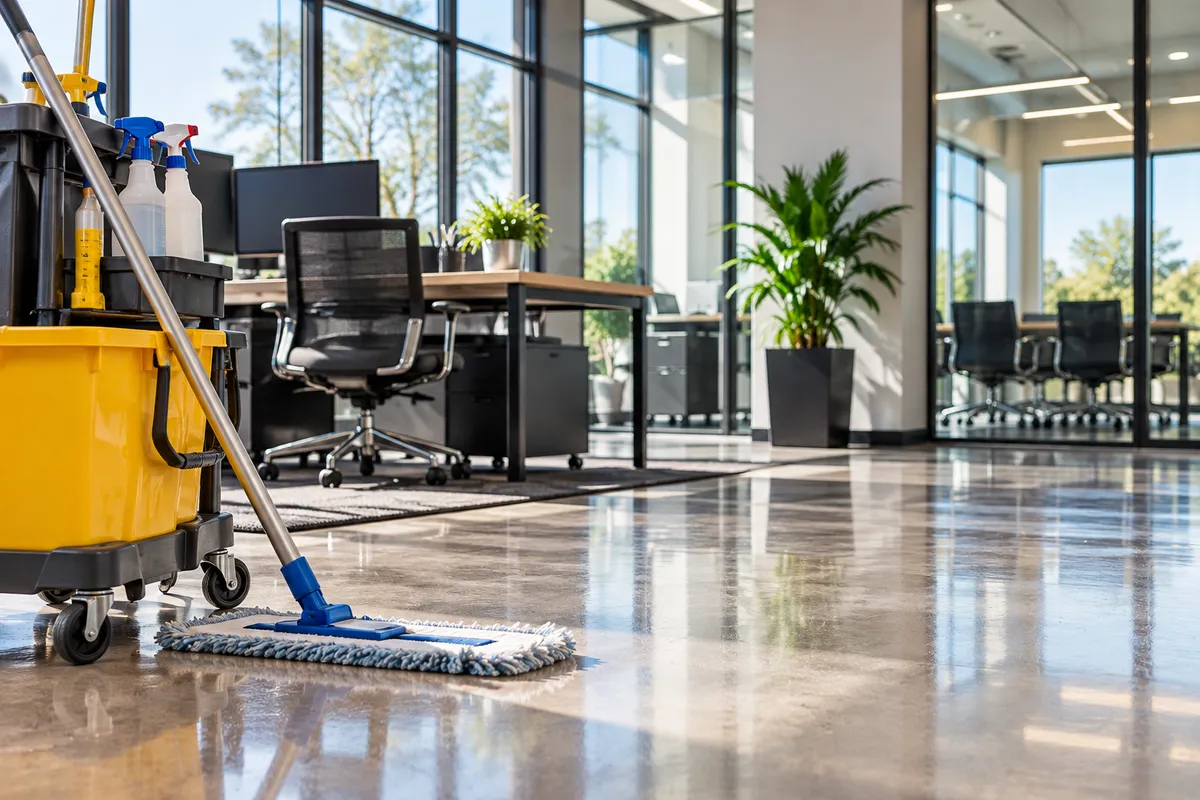
Commercial Cleaning in Braun Station, TX: How to Build a Consistent Cleaning Schedule for Your Business
Keeping a commercial property clean requires more than occasional tidying. Offices, customer-facing businesses, and other commercial facilities experience daily foot traffic, shared surface use, and the gradual accumulation of dirt and debris. Without a consistent cleaning routine, important tasks can be overlooked, and certain areas may become harder to maintain.
For businesses in Braun Station, Texas, a structured cleaning schedule can help establish clear expectations, organize recurring tasks, and maintain a more professional environment for employees and visitors.
SA Gold Standard Cleaning provides commercial cleaning services for businesses. Understanding how to organize cleaning responsibilities can help business owners determine which tasks need daily attention, which can be scheduled weekly, and when professional cleaning support may be useful.
1. Identify the Areas That Need the Most Attention
Every commercial property has different cleaning requirements. A small office may have different priorities from a customer-facing business or a facility with several shared work areas.
Start by walking through the property and identifying the spaces that require regular attention.
Entrances and Reception Areas
Entrances are among the first areas customers and visitors encounter. Foot traffic can bring in dust, dirt, and debris, particularly during wet or windy weather.
Regularly sweeping or vacuuming floors, cleaning entry glass where appropriate, and removing visible debris can help keep these spaces presentable.
Reception counters and other accessible surfaces should also be included in the cleaning routine.
Shared Workspaces
Desks, conference tables, counters, and other shared surfaces can collect dust and everyday residue. Establishing clear cleaning responsibilities helps prevent these areas from being neglected.
The cleaning schedule should account for how frequently each space is used and whether employees are responsible for clearing personal belongings before cleaning takes place.
Restrooms
Restrooms require a consistent cleaning routine because they are used throughout the business day. Tasks may include cleaning fixtures, wiping appropriate surfaces, maintaining floors, emptying waste containers, and replenishing supplies when included in the service agreement.
The frequency of cleaning should reflect restroom usage and the property's operational needs.
Break Rooms and Kitchen Areas
Shared food preparation and eating areas can quickly become untidy. Counters, tables, sinks, and floors should be included in the schedule.
Clearly assigning responsibilities for shared spaces can also help employees understand what they need to do between scheduled professional cleanings.
2. Create a Daily, Weekly, and Periodic Cleaning Plan
A practical cleaning schedule separates routine tasks from work that can be performed less frequently.
The right schedule depends on the property's size, traffic, business activities, and specific cleaning requirements.
Daily cleaning tasks may include:
Emptying designated waste containers.
Cleaning restrooms and frequently used shared spaces.
Removing visible dirt and debris from floors.
Wiping appropriate high-touch surfaces.
Checking entrances, reception areas, and break rooms.
Addressing spills promptly using suitable procedures.
Weekly cleaning tasks may include:
Giving additional attention to corners and less frequently cleaned areas.
Dusting accessible surfaces and fixtures.
Cleaning interior glass where appropriate.
Reviewing the condition of floors and shared workspaces.
Checking whether recurring cleaning responsibilities are being completed.
Periodic cleaning tasks may include:
More detailed floor care.
Cleaning areas that are not part of the regular daily routine.
Addressing accumulated dust on accessible surfaces.
Reviewing the overall cleaning schedule and adjusting task frequency.
These examples provide a starting point rather than a universal schedule. High-traffic facilities may require more frequent cleaning, while other spaces may need fewer routine visits.
3. Match Cleaning Frequency to Business Activity
One of the most common scheduling mistakes is assigning the same cleaning frequency to every part of a building.
A busy reception area may need attention more frequently than a rarely used meeting room. Similarly, a restroom serving many employees may require more frequent checks than a small private office.
When planning commercial cleaning in Braun Station, consider:
The number of employees and daily visitors.
The frequency with which shared areas are used.
The amount of dirt brought in through entrances.
The type of flooring and other surface materials.
The presence of food preparation or eating areas.
Any specific cleaning requirements associated with the business.
Reviewing these factors helps establish a schedule based on actual use rather than assumptions.
It also gives business owners a clearer basis for discussing service frequency with a professional cleaning provider.
4. Choose Appropriate Cleaning Methods for Each Surface
Different surfaces require different cleaning products and techniques. Using an unsuitable product may damage a finish, leave residue, or fail to address the type of soil present.
For example, carpeted areas may require vacuuming and periodic deeper cleaning, while hard floors need methods appropriate for their material and finish.
Glass, stainless steel, painted surfaces, and laminate also have different care requirements.
Before using a product, check its instructions and confirm that it is suitable for the surface. Avoid mixing cleaning chemicals, and follow applicable safety guidance for handling and storage.
A commercial cleaning plan should identify any surfaces that require special care and clarify which products or procedures are appropriate.
5. Keep Cleaning Responsibilities Clear
Even a well-designed cleaning schedule can fall short when responsibilities are unclear.
Employees, facility managers, and professional cleaning providers may each have different roles in maintaining a property. Defining these responsibilities helps prevent missed tasks and unnecessary duplication.
For example, employees may be responsible for keeping personal workspaces organized, while scheduled cleaning services handle agreed-upon floor care, restrooms, and shared areas.
Business owners should establish which tasks are included in a professional cleaning agreement and which remain the responsibility of on-site staff.
A written checklist can make expectations easier to communicate. It can also help managers identify recurring issues and determine whether the schedule needs to be adjusted.
6. Plan Cleaning Around Your Operating Hours
Cleaning should support business operations rather than create unnecessary interruptions.
Depending on the property, services may be scheduled before opening, after closing, or during designated periods when particular areas are less busy. The most appropriate arrangement depends on access, staffing, security procedures, and the nature of the work.
Before setting a schedule, consider the following questions:
Which areas need to remain accessible during business hours?
Are there times when conference rooms or shared spaces are unoccupied?
How will cleaners access the property?
Are there security procedures for locking up or entering the building?
Which tasks can be completed during operating hours without disrupting customers or employees?
Discussing these details in advance helps establish a realistic cleaning plan and clarifies expectations for everyone involved.
7. Review the Results and Adjust the Schedule
A cleaning schedule should be reviewed periodically rather than treated as a permanent arrangement.
As staffing, business activity, and visitor traffic change, cleaning requirements may change as well. An increase in employees or a busier reception area, for example, may justify more frequent attention to certain spaces.
Look for recurring signs that the schedule needs improvement, such as overflowing waste containers, persistent dust, missed tasks, or complaints about shared areas.
Regular reviews can help identify whether a particular task needs to be performed more often or whether responsibilities need to be clarified.
Business owners can also use feedback from employees and cleaning providers to make the schedule more practical and consistent.
Benefits of Professional Commercial Cleaning
Managing a commercial property involves many responsibilities, and cleaning can become difficult to coordinate alongside daily operations.
Working with a professional cleaning provider can help businesses establish a recurring routine for agreed-upon cleaning tasks. It can also make it easier to plan service frequency, communicate priorities, and address the needs of different areas within the property.
Before arranging service, discuss the size of the facility, the spaces that need attention, preferred scheduling, and any special surface-care requirements.
A clearly defined scope of work helps ensure that expectations are understood before cleaning begins.
Commercial Cleaning Services in Braun Station, TX
A consistent cleaning schedule helps businesses approach property maintenance in a more organized way. By identifying high-priority areas, assigning responsibilities, and matching cleaning frequency to actual use, business owners can build a routine that supports their facility's needs.
SA Gold Standard Cleaning provides commercial cleaning services for businesses in the San Antonio area. Businesses in Braun Station looking for help maintaining their commercial spaces can discuss their requirements and explore suitable cleaning arrangements.
Need a more consistent cleaning routine for your business? Contact SA Gold Standard Cleaning to discuss your commercial cleaning needs in Braun Station, TX.
