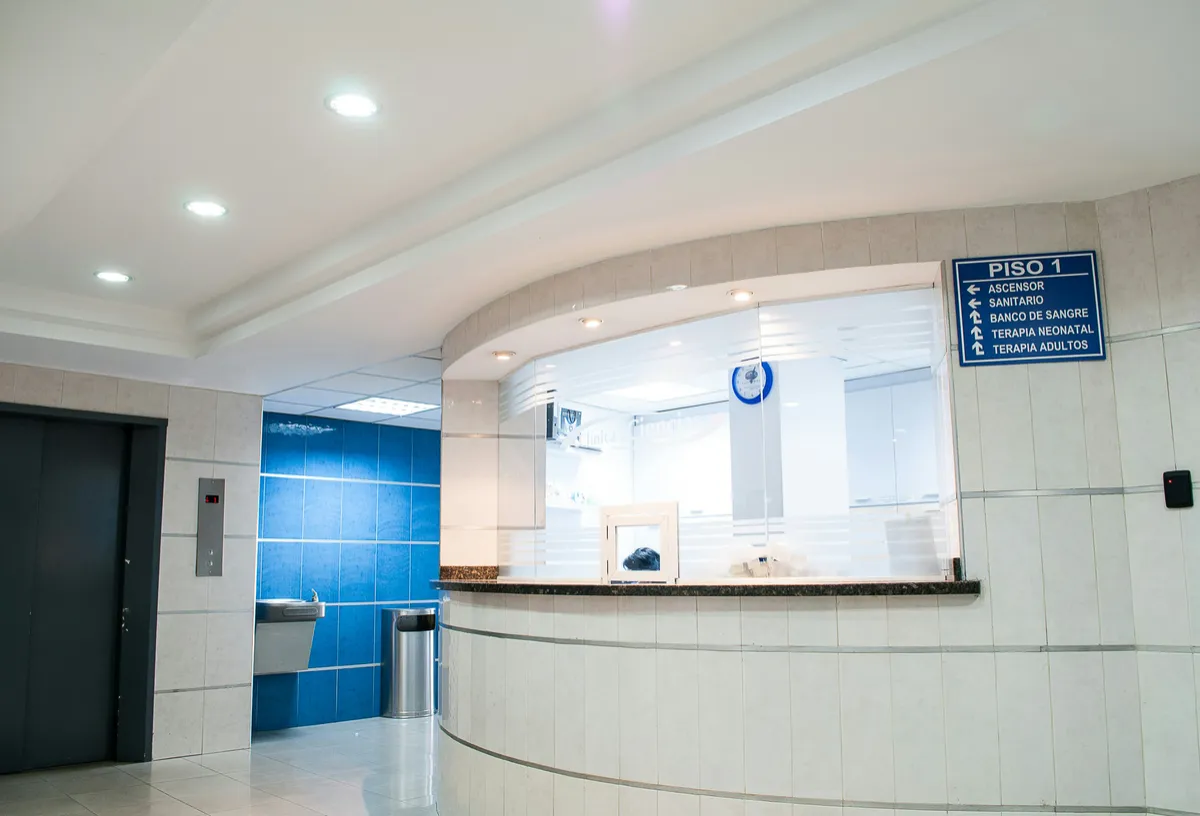
Medical Office Cleaning in San Antonio, TX: What Healthcare Facilities Should Know
Cleanliness plays an important role in the daily operation of a medical office. Patients expect a clean and orderly environment, while staff members need workspaces that support safe, organized, and efficient care.
Unlike many conventional office environments, healthcare facilities may include patient examination rooms, waiting areas, treatment spaces, restrooms, and other areas with different cleaning requirements. Maintaining these spaces involves more than emptying trash cans and wiping visible surfaces.
For healthcare providers seeking medical office cleaning in San Antonio, TX, understanding the difference between general janitorial work and healthcare-specific cleaning can help them evaluate their facility's needs.
SA Gold Standard Cleaning provides commercial cleaning and janitorial services, including medical office cleaning and medical facility cleaning. Here's what healthcare administrators and office managers should consider when developing a cleaning plan for their facilities.
1. Identify the Cleaning Needs of Each Area
Not every room in a medical office serves the same purpose, so a single cleaning routine may not be appropriate for the entire facility.
A waiting room, administrative office, examination room, and restroom each have different surfaces, traffic patterns, and cleaning considerations.
Start by identifying the main areas within the facility and determining what type of routine care each requires.
Reception and Waiting Areas
Reception areas are often the first spaces patients encounter. Floors, seating, counters, door handles, and other frequently touched surfaces can accumulate dirt and require regular attention.
Cleaning plans should address visible soil, waste removal, floor care, and appropriate cleaning of frequently touched surfaces.
Examination and Treatment Rooms
Patient-care rooms may require more specialized procedures depending on the services performed and the equipment present.
Cleaning responsibilities should be clearly defined so staff understand which tasks belong to the environmental cleaning team and which must be handled by clinical personnel.
Procedures should follow the facility's infection prevention policies and applicable healthcare guidance.
Restrooms
Restrooms require consistent attention to fixtures, sinks, counters, floors, waste containers, and other frequently used surfaces.
A documented routine helps ensure that cleaning tasks are completed consistently and that supplies are replenished as needed.
Administrative Offices and Staff Areas
Offices, break rooms, and administrative spaces also need routine cleaning. Desks, shared equipment, floors, and common surfaces should be addressed according to how the areas are used.
A room-by-room plan helps establish appropriate cleaning frequencies and makes it easier to verify that essential tasks are completed.
2. Understand the Difference Between Cleaning and Disinfection
Cleaning and disinfection are related but distinct processes.
Cleaning removes dirt, debris, and other unwanted material from surfaces. It is an important step in maintaining the facility and may be necessary before a disinfectant can work effectively.
Disinfection uses an appropriate product to inactivate or destroy specified microorganisms on surfaces when used according to its label instructions.
In medical environments, the appropriate approach depends on the room, the surface, the level of contamination, and the facility's infection prevention procedures.
Healthcare administrators should establish clear expectations about which surfaces require routine cleaning, which require disinfection, and how these tasks should be performed.
Important considerations include:
Selecting products appropriate for the intended surface and use.
Following product label directions, including required contact time.
Observing applicable safety precautions.
Avoiding incompatible products or improper mixing.
Ensuring staff understand the facility's cleaning procedures.
Following relevant infection prevention policies and guidance.
A surface that looks clean is not necessarily disinfected. Likewise, applying a disinfectant without following its instructions may not provide the intended result.
Clear procedures help reduce confusion and support more consistent cleaning practices.
3. Pay Special Attention to High-Touch Surfaces
Frequently touched surfaces can accumulate contamination through everyday contact. These areas deserve particular attention within a medical office cleaning plan.
Depending on the layout and services provided, high-touch surfaces may include:
Door handles and push plates.
Reception counters.
Light switches.
Waiting room chairs and armrests.
Shared equipment controls.
Handrails.
Restroom fixtures.
Frequently used work surfaces.
The required cleaning and disinfection frequency should reflect how the area is used, the type of care provided, and the facility's established procedures.
A documented checklist can help ensure that staff don't overlook frequently touched surfaces during routine service.
It is also important to distinguish between environmental cleaning tasks and clinical responsibilities. Examination equipment and other patient-care items may require specialized handling or cleaning procedures that should be performed by appropriately trained personnel.
Defining these responsibilities helps establish a more consistent and accountable cleaning process.
4. Establish a Consistent Cleaning Schedule
A reliable cleaning schedule helps healthcare facilities maintain consistent standards while accommodating patient traffic and operating hours.
The appropriate schedule depends on the size of the facility, the number of patients and staff, the services performed, and the condition of the premises.
Some tasks may need attention throughout the day, while others can be completed during scheduled cleaning visits.
A cleaning schedule may include:
Daily tasks
Removing waste according to facility procedures.
Cleaning designated floors and common areas.
Cleaning and disinfecting assigned high-touch surfaces.
Maintaining restrooms and replenishing supplies.
Cleaning reception and waiting areas.
Periodic tasks
More detailed floor care.
Cleaning less frequently accessed surfaces.
Addressing buildup in designated areas.
Reviewing recurring maintenance concerns.
As-needed tasks
Responding to spills or unexpected contamination.
Addressing visibly soiled surfaces.
Following the facility's procedures after specific incidents.
These examples are starting points rather than universal medical cleaning requirements. Healthcare facilities should establish task frequencies based on their specific operations, applicable standards, and infection prevention policies.
A written schedule can also clarify which tasks are performed by the cleaning provider and which remain the responsibility of medical staff.
5. Consider Staff Training, Products, and Equipment
The quality of a cleaning program depends on more than the products used. Staff need to understand how to perform assigned tasks correctly, use equipment safely, and follow the facility's procedures.
When evaluating medical office cleaning services, ask how cleaning responsibilities are defined and how workers are instructed to follow site-specific requirements.
Consider the following areas:
Product Selection
Cleaning products should be suitable for the surfaces and intended tasks. Disinfectants should be used according to their approved labels and the facility's requirements.
Equipment and Supplies
Mops, cloths, vacuum cleaners, and other equipment should be appropriate for the facility. Procedures should also address the handling, cleaning, storage, and replacement of reusable supplies.
Personal Protective Equipment
Workers should use appropriate protective equipment based on the task, product instructions, and exposure risks.
Cleaning Procedures
Staff should understand the required sequence of work, the distinction between cleaning and disinfection, and how to prevent cross-contamination between areas.
Communication
Cleaning personnel should know how to report damaged surfaces, supply shortages, spills, and other concerns that need attention.
A well-defined process helps establish consistent expectations and makes it easier to identify areas where procedures need improvement.
6. Coordinate Cleaning Around Patient Care
Medical offices often operate on schedules that leave limited time for cleaning during the day. The cleaning plan should account for appointments, patient movement, staff activities, and any restrictions affecting access to specific rooms.
When arranging commercial medical office cleaning, discuss the facility's operating hours and the best times to complete different tasks.
Questions worth addressing include:
Which areas can be cleaned during operating hours?
Which rooms require scheduled access?
How should staff communicate that a room is ready for cleaning?
What procedures apply when a spill or urgent cleaning need occurs?
Who should be contacted if a room cannot be accessed?
How should cleaning tasks be documented or reported?
Cleaning personnel should follow the facility's instructions for patient privacy, restricted areas, and handling items that may contain confidential information.
A coordinated schedule helps minimize disruption and supports better communication between the cleaning provider and the healthcare team.
7. Review Your Cleaning Provider's Scope of Work
Medical office managers should understand exactly what their cleaning agreement includes.
A general commercial cleaning contract may not automatically cover every task needed in a healthcare setting. Clarifying responsibilities before service begins helps prevent gaps and misunderstandings.
When reviewing a proposed cleaning plan, ask about:
The areas included in routine service.
Cleaning and disinfection responsibilities.
Frequency of scheduled visits.
Supplies and equipment provided.
Procedures for handling unexpected cleaning needs.
Documentation and communication processes.
Tasks that require specialized training or separate arrangements.
You should also confirm that the proposed service matches your facility's infection prevention requirements and operational needs.
Some clinical cleaning tasks, specialized equipment, regulated waste handling, and other healthcare-specific responsibilities may require procedures or qualifications beyond ordinary janitorial service.
The cleaning provider and facility management should clearly define those responsibilities rather than assuming they are included.
8. Evaluate Your Cleaning Program Regularly
Even an established cleaning plan should be reviewed periodically.
Changes in patient volume, office layout, service offerings, or operating hours may create new cleaning requirements. Regular reviews can help facility managers identify where the current schedule works well and where adjustments may be needed.
Useful review steps include:
Inspecting commonly used areas.
Reviewing completed cleaning checklists.
Monitoring recurring complaints or missed tasks.
Checking supply levels and equipment condition.
Confirming that cleaning procedures remain appropriate.
Communicating concerns with the cleaning provider.
Visual inspections alone cannot establish whether a medical environment meets every infection prevention requirement. However, they can help identify visible problems and prompt further review when needed.
Combining clear procedures, appropriate training, documented responsibilities, and regular communication creates a stronger foundation for ongoing facility maintenance.
Medical Office Cleaning Services in San Antonio, TX
Maintaining a clean medical office requires a structured approach that reflects how each area is used. Routine cleaning, appropriate disinfection, attention to high-touch surfaces, and clear communication can help healthcare facilities manage their environmental cleaning responsibilities more effectively.
The right cleaning plan depends on the services offered, patient traffic, facility layout, and applicable healthcare requirements. Medical office managers should ensure that cleaning responsibilities are clearly defined and that specialized clinical tasks are handled according to the facility's procedures.
SA Gold Standard Cleaning provides commercial cleaning and janitorial services in San Antonio, TX, including medical office and medical facility cleaning.
Whether you manage a small medical practice or a larger healthcare office, reviewing your current cleaning schedule can help identify opportunities to improve consistency and coordination.
Looking for medical office cleaning in San Antonio, TX? Visit SA Gold Standard Cleaning to learn more about its commercial cleaning services and discuss your facility's needs.
