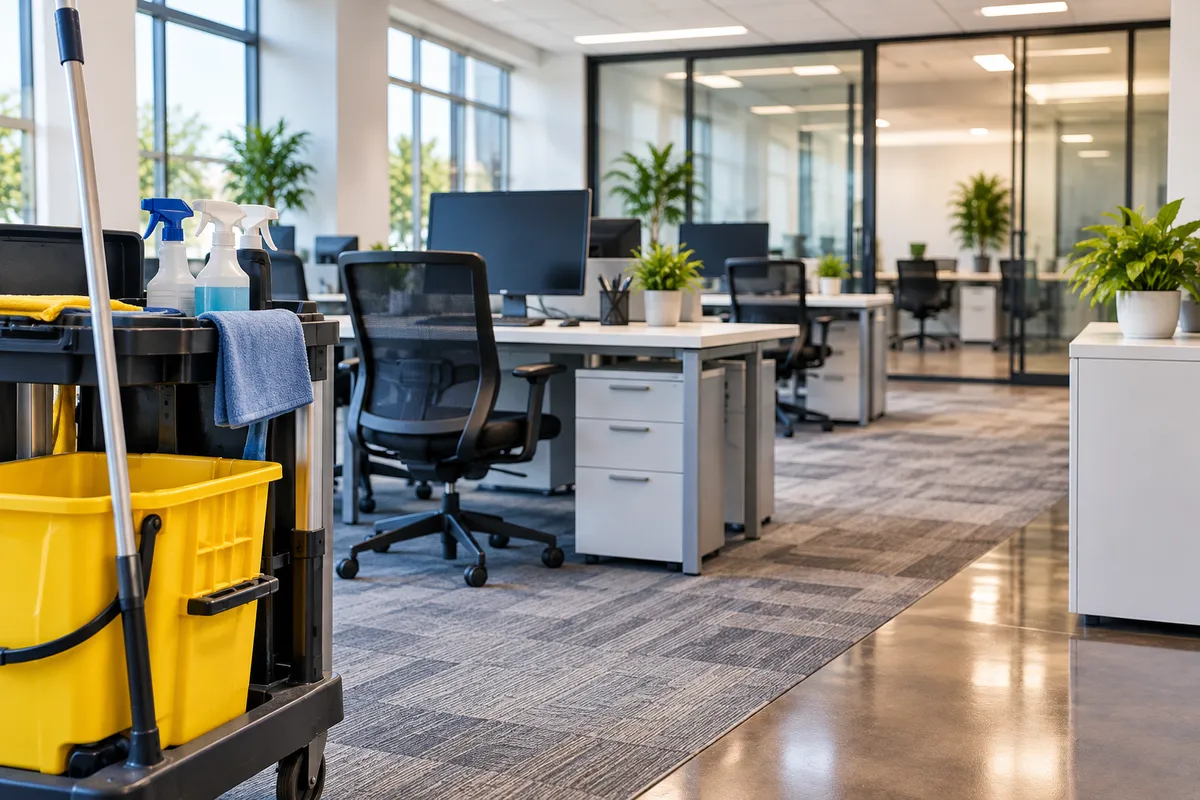
Office Cleaning Checklist for Businesses in San Antonio, TX
A clean office helps create a welcoming environment for employees, clients, and visitors. However, maintaining a consistently clean workplace requires more than emptying trash cans and wiping down visible surfaces. Offices contain shared equipment, frequently touched surfaces, meeting spaces, and other areas that need regular attention.
For businesses in San Antonio, TX, an organized cleaning routine can help keep workspaces presentable and support a more comfortable working environment. The right approach depends on the size of the office, the number of employees, the type of business, and how frequently different areas are used.
SA Gold Standard Cleaning provides commercial cleaning services for businesses in San Antonio. Using a practical office cleaning checklist can help business owners and facility managers identify priorities, establish expectations, and determine whether their current cleaning routine meets their needs.
1. Start With Reception Areas and Entryways
The reception area is often the first part of a business that visitors see. Dusty furniture, dirty floors, fingerprints on glass, or overflowing trash can make an otherwise professional space look neglected.
Because these areas receive regular foot traffic, they should be included in the routine cleaning schedule.
Important tasks may include:
Removing dust from reception desks and accessible surfaces
Cleaning glass entry doors and interior glass panels
Emptying waste containers
Vacuuming carpeted areas
Sweeping and mopping suitable hard floors
Removing visible fingerprints from frequently touched surfaces
Straightening shared seating areas
The frequency of each task should reflect how heavily the space is used. A busy reception area may need attention more frequently than a rarely used waiting area.
Keeping entryways clean also helps businesses maintain a consistent appearance throughout the workweek.
2. Clean Desks and Shared Workstations
Workstations can collect dust, crumbs, fingerprints, and other everyday debris. Shared desks and flexible workspaces may need particular attention because multiple employees use the same surfaces.
A suitable cleaning routine may include wiping accessible desk surfaces, cleaning shared tables, and removing dust from shelves or other exposed areas.
However, cleaning workstations requires care around electronics and personal belongings. Cleaning staff should follow appropriate product instructions and avoid spraying liquids directly onto computers, keyboards, monitors, or other electronic equipment.
Businesses should also establish clear expectations about personal desks. Employees may need to remove paperwork, personal items, and other belongings before surfaces can be cleaned effectively.
For shared workstations, a defined cleaning process helps ensure that frequently used surfaces receive consistent attention without disturbing employees' work.
3. Pay Attention to High-Touch Surfaces
Certain surfaces are touched repeatedly throughout the day. These include door handles, light switches, shared equipment controls, and other frequently handled fixtures.
Including these surfaces in an appropriate cleaning and disinfection routine can help businesses manage the buildup of everyday dirt and address hygiene needs.
Common high-touch areas include:
Door handles and push plates
Light switches
Shared conference room controls
Break room appliance handles
Reception counters
Frequently used shared equipment
Commonly touched railings and fixtures
Cleaning and disinfecting are not identical processes. Cleaning removes dirt and debris, while disinfection uses an appropriate product to address specified microorganisms under the product's directions.
When disinfection is needed, use products suitable for the surface and follow the label instructions, including any required contact time. Not every surface needs the same treatment or frequency.
A cleaning plan should identify which high-touch areas need routine cleaning and where a more specific disinfection procedure is appropriate.
4. Maintain Clean and Comfortable Restrooms
Restrooms require consistent attention because they are used throughout the day and contain several surfaces that need regular cleaning.
A restroom cleaning checklist may include:
Cleaning and disinfecting toilets and urinals as appropriate
Cleaning sinks, faucets, and counters
Cleaning mirrors
Wiping suitable touchpoints
Emptying trash containers
Cleaning floors
Checking soap and paper product supplies
Addressing visible spills or residue
Reporting maintenance issues such as leaks or damaged fixtures
The frequency of restroom cleaning should reflect the number of occupants, usage patterns, and the needs of the facility.
Businesses should also make sure cleaning supplies and restroom products are replenished before they run out. A restroom can appear clean but still create an unpleasant experience if essential supplies are missing.
For larger workplaces, assigning clear responsibility for inspections and restocking can help maintain consistent standards between scheduled cleaning visits.
5. Keep Break Rooms and Kitchen Areas Clean
Break rooms and office kitchens are shared spaces where food preparation, meals, and beverage use can leave behind spills, crumbs, and residue.
These areas need a cleaning routine that covers both visible surfaces and commonly used fixtures.
Typical tasks include:
Wiping tables and counters
Cleaning sink basins and faucets
Wiping appliance exteriors and handles
Sweeping and mopping floors
Emptying trash and recycling containers
Cleaning cabinet fronts when needed
Removing visible food residue
Checking for spills or other maintenance concerns
Refrigerators, microwaves, and other shared appliances may need separate cleaning schedules depending on how they are used. Businesses should clarify which tasks are part of the regular cleaning service and which responsibilities remain with employees.
A shared policy for disposing of old food, cleaning up spills, and storing personal items can also make the cleaning routine more effective.
6. Include Conference Rooms and Shared Meeting Spaces
Conference rooms often serve multiple teams and may be used for client meetings, presentations, interviews, and training sessions.
Because these spaces can be used repeatedly throughout the day, cleaning them regularly helps maintain a professional appearance and prepares the room for its next use.
A conference room checklist may include:
Wiping tables and accessible surfaces
Cleaning glass doors and partitions where needed
Removing fingerprints from suitable surfaces
Emptying waste containers
Vacuuming or cleaning floors
Straightening chairs
Removing visible debris
Checking for spills or other issues
Shared technology requires special care. Screens, control panels, microphones, and other equipment should be cleaned only with products and methods appropriate for those devices.
Businesses with frequently booked meeting rooms may benefit from a quick between-meeting tidying routine in addition to their regular professional cleaning schedule.
7. Don't Overlook Floors, Carpets, and Interior Glass
Floors and interior glass contribute significantly to the overall appearance of an office. Dirt, dust, footprints, and fingerprints can become noticeable even when desks and counters are clean.
Different materials require different cleaning methods, so the checklist should account for the surfaces throughout the facility.
Hard floors: Sweeping, dust mopping, and damp mopping may be appropriate depending on the material and manufacturer's care instructions.
Carpeted areas: Regular vacuuming helps remove loose dirt and debris. Periodic deeper cleaning may be appropriate based on foot traffic and the condition of the carpet.
Interior glass: Glass doors, partitions, and sidelights may need routine cleaning to remove fingerprints, smudges, and dust.
Entrance flooring: Areas near exterior doors often collect dirt and moisture brought in by shoes, especially during periods of rain.
San Antonio businesses should consider their own building conditions, traffic patterns, and flooring materials when setting cleaning frequencies. A busy entrance may require more frequent attention than a private office with limited foot traffic.
8. Create a Cleaning Schedule Based on Your Business
Not every office requires the same cleaning frequency. A small professional office with limited visitors may have different needs from a large workplace with multiple shifts, shared facilities, and frequent client visits.
A practical schedule divides tasks by how often they need to be completed.
Frequency | Examples of Cleaning Tasks |
Daily or as needed | Emptying trash, cleaning restrooms, addressing visible spills, tidying high-use areas |
Several times per week | Vacuuming busy carpeted areas, cleaning shared workspaces, refreshing common areas |
Weekly | Detailed dusting of accessible surfaces, cleaning less frequently used areas, reviewing interior glass |
Periodically | Carpet deep cleaning, detailed floor care, and other tasks based on the building's needs |
This table is a starting point, not a universal standard. Actual frequency should be based on occupancy, use, applicable hygiene requirements, and the condition of the facility.
It is also useful to distinguish routine cleaning from tasks that require specialized equipment or additional time. Establishing those expectations in advance helps businesses create a realistic cleaning plan.
9. Know When to Consider Professional Office Cleaning
An internal cleaning routine can help employees maintain their immediate work areas, but it may not be sufficient to manage every cleaning responsibility across an entire facility.
Businesses may consider professional office cleaning when:
Cleaning responsibilities are taking time away from core work
Shared areas are difficult to maintain consistently
Restrooms and break rooms require more attention
The office has a larger floor area or several work zones
Cleaning standards vary between shifts or departments
Management needs a more organized recurring cleaning schedule
Professional cleaning services can help businesses establish a defined scope of work and a consistent routine for the areas they want maintained.
Before choosing a service, identify the facility's size, operating hours, cleaning priorities, and any areas requiring special procedures. Confirm which tasks are included in the service agreement and how additional requests will be handled.
Commercial Office Cleaning Services in San Antonio, TX
A reliable office cleaning routine helps businesses maintain presentable workspaces and keep important areas from being overlooked. By organizing cleaning tasks around reception areas, workstations, restrooms, break rooms, meeting spaces, and floors, business owners can create clearer expectations for facility maintenance.
The most effective schedule reflects the way a workplace is used rather than applying the same checklist to every building.
SA Gold Standard Cleaning provides commercial cleaning and janitorial services in San Antonio, TX, including office cleaning and other business cleaning needs. If your workplace needs a more consistent cleaning routine, consider reviewing your current checklist and identifying the tasks that require professional support.
Visit SA Gold Standard Cleaning to learn more about its services and discuss your business's cleaning requirements.
